Online Portal
 Book a virtual consultation
Welcome to our Hybrid Clinic
We are very grateful that you have moved with us to adapt to our combined in person and virtual orthodontic environment.
Access your scheduled appointment
Click on the link below

 71 Google
Reviews
Clear aligners vs braces
Not sure what type of treatment is right for you? Here we’ll guide you through a clear comparison between clear aligners and traditional braces, so you can see how each option stacks up.
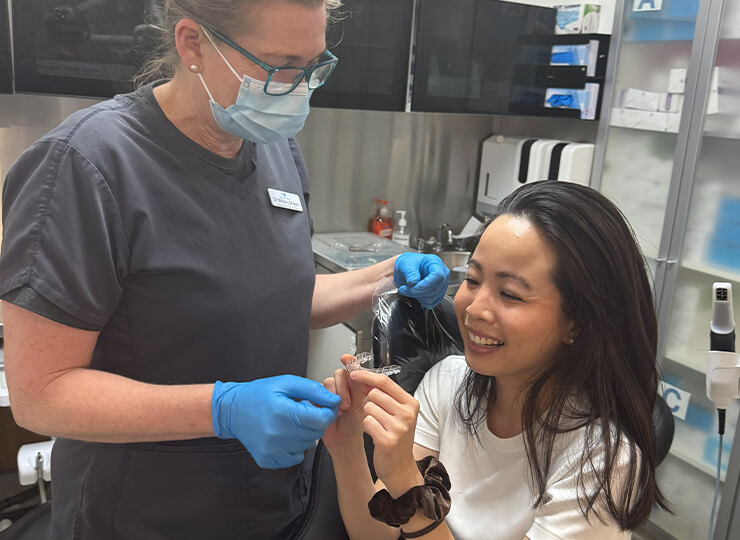
Clear aligners vs braces: What's the difference?
Here's a detailed comparison table to help you understand how clear aligners and traditional braces differ.
 Braces
 Clear Aligners
Clear aligners vs braces: What’s the difference?
Here’s a detailed comparison table to help you understand how clear aligners and traditional braces differ.
| Feature | Clear Aligners | Braces |
|---|---|---|
| Visibility / aesthetic | Nearly invisible plastic trays; discreet. | Metal or ceramic brackets + wires are visible. |
| Comfort & removability | Removable for eating, brushing and flossing. Less obvious irritation from wires/brackets. | Fixed to teeth — cannot remove until treatment ends. Brackets and wires may irritate lips/cheeks initially. |
| Hygiene / cleaning | Easier brushing and flossing since aligners come out. | Requires more care: brushing around brackets and under wires; flossing requires more effort. |
| Eating / dietary limitations | Fewer restrictions — you remove aligners to eat, then put back in. | Some foods must be avoided (sticky, hard, chewy) to protect brackets/wires. |
| Treatment suitability | Excellent for mild‑to‑moderate alignment issues; depends on patient compliance (wearing the trays ~20‑22 hrs/day). | Very effective even for more complex cases (severe crowding, bite issues, jaw alignment) because they are fixed and work continuously. |
| Treatment time | Often comparable for suitable cases; may be slightly faster for mild cases if the patient adheres. | Often predictable; for complex cases, it may take longer but they are very reliable. |
| Visits/adjustments | Fewer in‑office adjustment visits may be needed (especially with remote monitoring). At Bayside, we support remote check‑ups. | Regular appointments for wire changes, bracket checks and adjustments. |
| Cost | Can be comparable or slightly higher depending on system, case complexity & number of aligners. | Cost depends on type (metal vs ceramic) and complexity. |
| Comfort during treatment | Less hardware means fewer sore spots; some feel fewer emergencies (wire pokes) when wearing correctly. | Some discomfort after wire changes; brackets may irritate; more potential for breakages requiring unscheduled visits. |
| Compliance & reliability | Success depends strongly on your wearing the aligners as instructed. If you don’t, treatment may be delayed or less effective. | Since braces are fixed, treatment progresses continuously (less dependent on the patient removing/putting back the device). |
| Retention phase | After treatment, you’ll likely need a retainer (often similar for both). Must maintain wear to prevent relapse. | Same — retainers are needed after treatment ends to maintain results. |
| Complexity of cases | For very complex bite or jaw issues (for example, needing surgery), aligners may be less ideal or may require hybrid approaches. | Often the go‑to for complex cases: severe bite problems, jaw‑alignment and major tooth movement. |
| Patient lifestyle / preferences | Great for patients who prioritise aesthetics, fewer office visits, easier oral hygiene, and adults/teens who will comply. | Ideal for patients who prefer a “set and forget” fixed approach, or whose case demands maximum control and continuous force. |
Ready to start treatment?
Book a virtual consultation with our team today to start your treatment with braces or clear aligners.
Book a consultation
Follow us
Keep up with our practice through our social media channels.







Visit us
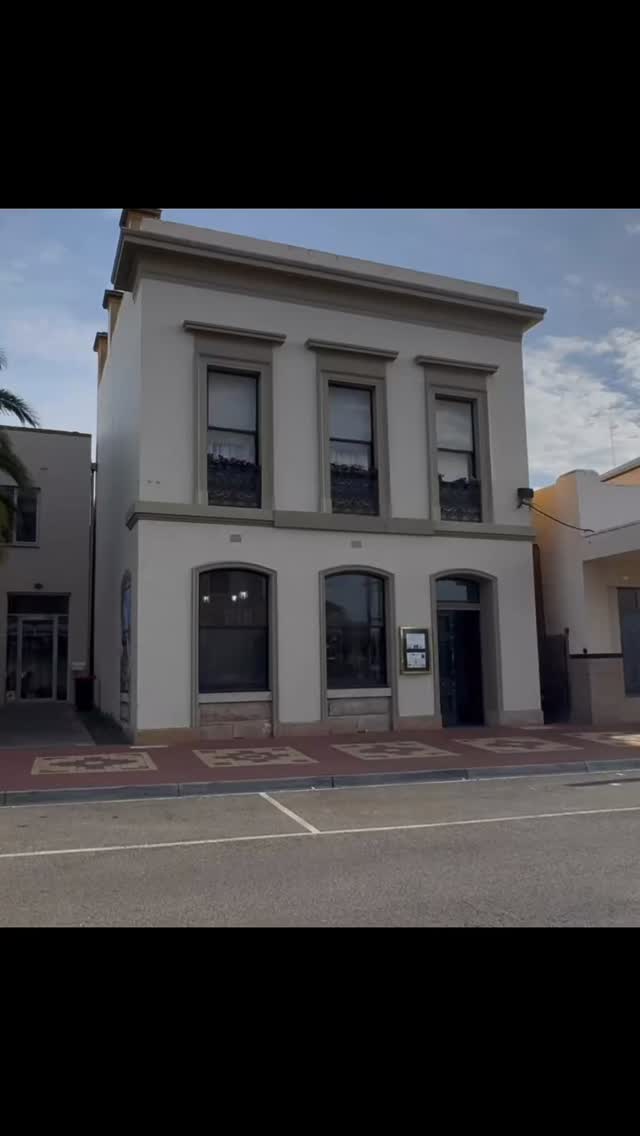
Visit our team today in Albert Park or Stawell.
Bayside Orthodontics Albert Park
120 Bridport St, Albert Park,
VIC, 3206
- Monday - Thursday
- 9:00am - 5:30pm
- Friday
- 9:00am - 3:30pm
- Saturday - Sunday
- Closed

Bayside Orthodontics Stawell
171 Main Street, Stawell,
VIC, 3380
- Monday
- closed
- Tuesday
- closed
- Wednesday
- 9:00am - 4:30pm
- Thursday
- 9:00am - 5:00pm
- Friday
- 9:00am - 5:00pm